Πληροφορίες προϊόντος
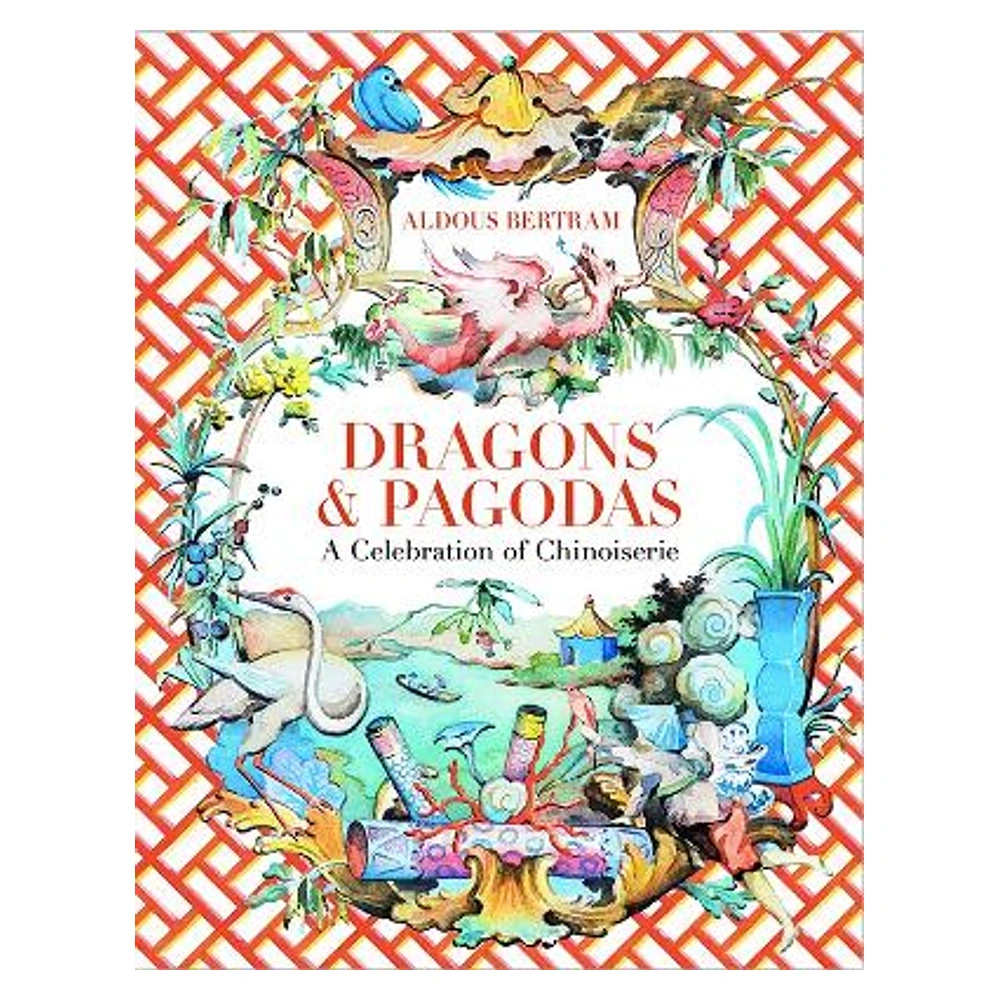
"""What a delight it is to look through this book, technicolour lavishness leaping from every page."" - House & Garden ""The drama of colour, ornamentation and exoticism is sustained throughout this sumptuously illustrated book, yet there are highlights: from the astonishing pyramidal ceiling inside Lisbon’s Santos Palace featuring 261 carefully suspended Ming dynasty plates to the somewhat oppressive interior of the Tartar tent at the Chateau de Groussay created for Charles de Beistegui in 1960, and covered in 10,000 delft tiles... Written by an enthusiast, this is a book that might convert many to the cult of chinoiserie, that ‘alternative world of delightful otherness’."" - The World of Interiors Chinoiserie is a term for Western art and design inspired by a largely invented vision of China. Marco Polo’s sensational account of his visit to the exotic East in the thirteenth century sparked an insatiable demand for knowledge of China. The feeling was not mutual, however, and the Chinese kept the Western “barbarians” at arm’s length. By the eighteenth century, piecemeal reports about the country filled with hearsay and myth were eagerly disseminated across Europe, and fascination with China reached a fever pitch. Everything that found its way out of China was highly prized, from blue-and-white porcelain vases to lacquer screens to precious tea leaves. But because a clear vision of the country was perpetually shrouded in mystery, Westerners reveled in the fanciful interpretations of Chinese life churned out by artists, and chinoiserie was born, first in Holland and soon in France, Germany, and England, where it was most successfully absorbed into mainstream fashion. Indeed, “Chinese Chippendale”–style fretwork railings and bridges flooded the gardens of England and proved even more popular in its North American colonies. Aldous Bertram has been captivated by chinoiserie all his life and even wrote his doctoral thesis at Cambridge University on Chinese pavilio