Πληροφορίες προϊόντος
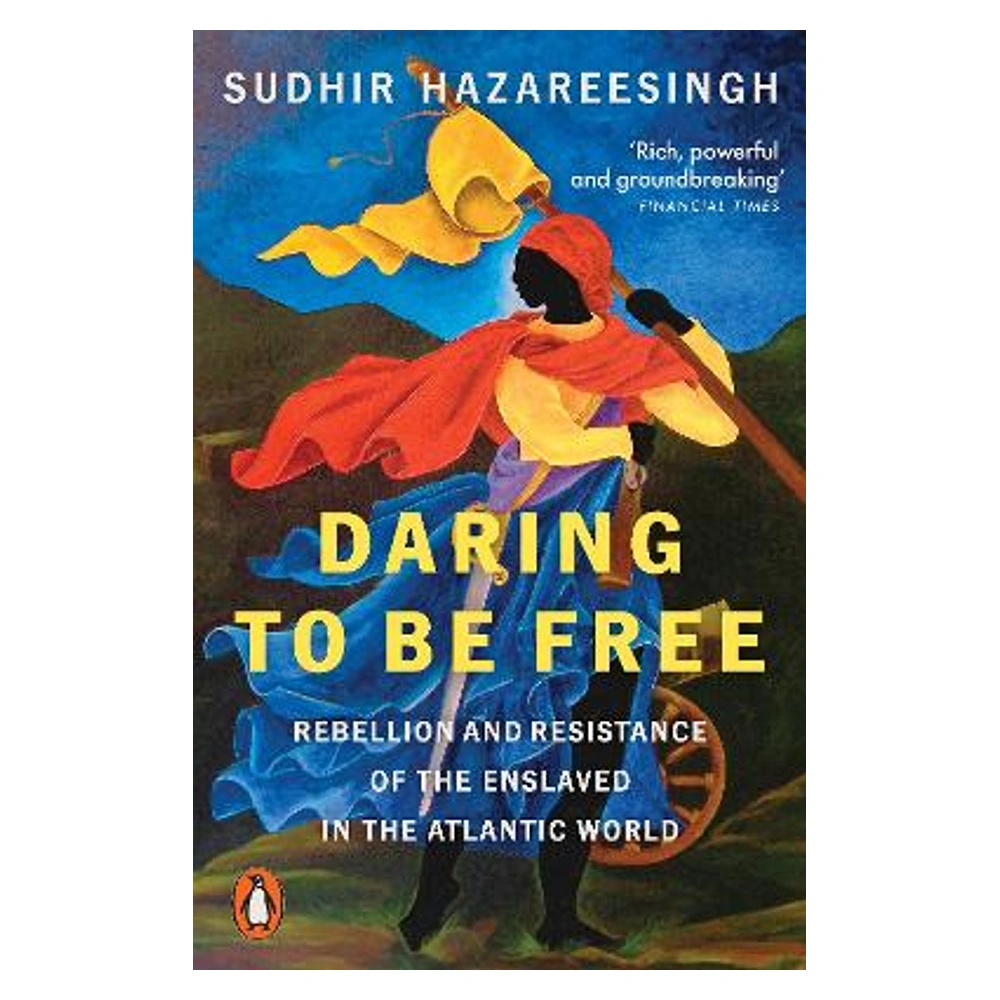
"*A Jacobin Best Book of 2025* *A Spectator Best Book of 2025, as picked by Sam Leith* From the Wolfson History Prize-winning author of Black Spartacus, a revelatory history of enslaved people's resistance to Atlantic slavery. The ending of the slave trade and abolition of slavery by European powers during the 19th century is generally told as the work of enlightened liberals fighting against entrenched slaving interests in Africa, the Caribbean, and European capitals. Sudhir Hazareesingh here turns this narrative on its head, showing how the enslaved resisted their oppressors from the earliest years of the Atlantic slave trade in the 16th century until the abolition of slavery in the United States in 1865, and how this opposition was the driving force for change. Daring To Be Free portrays the struggle for liberation from the perspective of the enslaved, wherever possible in their own words. It shines a light on the lives of revolutionaries like Toussaint Louverture, Jose Antonio Aponte, Nat Turner, and the pregnant rebel Solitude; freed writers of narrative accounts like Frederick Douglass and Ottobah Cugoano; and the countless maroons, insurgents and conspirators whose acts of defiance destabilised the slave order in the colonies and galvanized the movement for abolition in France, Britain, and the United States. Hazareesingh gives particular emphasis to the powerful roles of women as campaigners, disruptors and warriors. Drawing on written archives and oral history, as well as a rich body of secondary sources, the book traces the networks of cooperation that connected runaway settlements, covert rebellions and organized uprisings from Haiti, Jamaica, Brazil and Cuba to Mauritius and the United States. It shows us how the struggle for liberty was shaped not only by western Enlightenment ideals but by the spiritual, martial, and religious influences from the lives of the enslaved in Africa before the Middle Passage – and by the inspiring example of Haiti,